

Creatine: Not Just for Muscle — A Brain & Cognitive Powerhouse 🧠
- Feb 19
- 2 min read
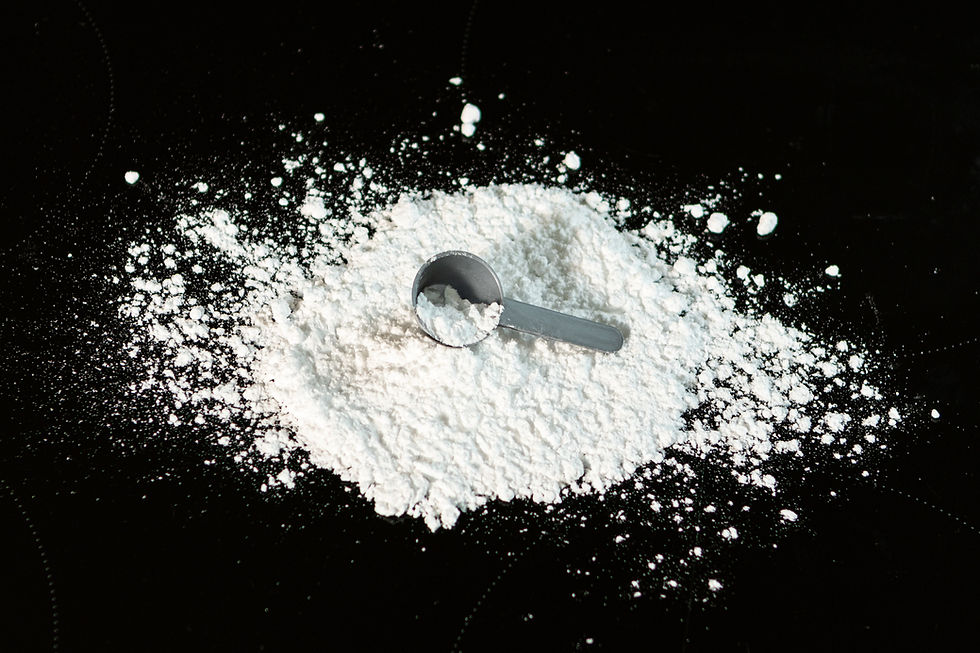
Creatine has long been known as one of the most well-studied supplements in sports performance. But emerging research is expanding the conversation.
Creatine supports brain energy metabolism, cognitive performance under stress, and possibly even neuroprotection.
How Creatine Works
Creatine increases phosphocreatine stores → supporting ATP regeneration.
In muscle, that means strength.
In the brain, that means energy resilience — especially under sleep deprivation, stress, or cognitive demand.
Who May Benefit
High mental workload
Poor sleep
Concussions / mild TBI history
Vegetarian / low red meat intake
Aging adults
Side Effects & Hydration
Creatine is one of the most studied supplements in sports nutrition — and overall, it has a strong safety profile in healthy individuals.
That said, there are important considerations.
1️⃣ Water Retention (This Is Expected)
Creatine increases intracellular water in muscle tissue.
This is cellular hydration, not bloating in the pathological sense.
Patients may notice:
1–3 lb weight increase initially
Muscles feeling “fuller”
Slight scale fluctuations
This is physiologic — not fat gain.
2️⃣ Increased Need for Hydration 💧
Because creatine draws water into cells, total body water distribution shifts.
If someone:
Is under-hydrated
Drinks high caffeine
Exercises intensely
Lives in dry/cold climates (hello Minnesota winters)
They may feel:
Headaches
Muscle cramping
Fatigue
Clinical rule: Creatine users should intentionally increase water intake.
A simple framework:
Add ~16–24 oz extra water daily
Ensure pale yellow urine
Increase electrolytes if training hard
Dehydration is not caused by creatine — but poor hydration becomes more noticeable when using it.
3️⃣ GI Upset
Most common when:
Doses exceed 5 g at once
Loading phases are used (20 g/day)
Taken on empty stomach in sensitive individuals
Solution:
Skip loading
Use 3–5 g daily
Take with food
4️⃣ Kidney Concerns: What the Data Actually Says
In healthy individuals with normal kidney function, standard-dose creatine does not appear to cause kidney damage.
However:
Those with chronic kidney disease
Those on nephrotoxic medications
Those with poorly controlled hypertension
Should be monitored.
Creatine can mildly raise serum creatinine — but this reflects increased creatine metabolism, not necessarily kidney injury. Context matters. This is where individualized lab interpretation becomes important.
5️⃣ Not Ideal For Everyone
Use caution in:
Advanced kidney disease
Bipolar disorder (rare reports of mood shifts)
Pregnancy (insufficient long-term safety data)
Bottom Line
Creatine is no longer just a gym supplement. It’s one of the most promising compounds for brain bioenergetics.
👉 If you’re experiencing cognitive fatigue, we assess whether mitochondrial support makes sense for you.

Dr. Kseniya Zvereva (ND) is a licensed naturopathic doctor in Washington, California, and Minnesota and founder of Xenia Integrative. She specializes in hormone imbalance, fatigue, gut dysfunction, pain, and stress-related conditions using personalized, evidence-informed naturopathic medicine.



Comments